
How to Choose Curtains for Dubai’s Climate (Expert Guide)
Dubai’s climate is unlike almost anywhere else in the world. Summers push temperatures past 45°C, UV radiation is intense year-round, and fine desert dust finds its way into every gap. When choosing curtains for a Dubai home or apartment, most people focus on colour and style — but the most important decisions are actually about fabric, lining, and how well the curtain seals against the window.
This guide walks you through everything you need to know to make the right choice for your specific space.
Why Dubai’s Climate Demands a Different Approach
In colder countries, curtains are mostly decorative. In Dubai, they serve a functional purpose first. The right curtain can:
- Reduce indoor temperatures by blocking solar heat gain through glass
- Protect furniture, flooring, and artwork from UV fading
- Keep fine dust and sand from settling on surfaces near windows
- Reduce air conditioning load, cutting energy bills noticeably
The wrong curtain — a thin, unlined sheer on a west-facing window, for example — does none of these things and can actually make rooms feel hotter by trapping warm air between the fabric and the glass.
💡Tip: If you need Professional Service for Curtains In Dubai then Go With Emirates Curtains they Provide Free Consultation, Free Measurement, Free Advice, Free Delivery even Provide Curtains on Installments.
Step 1: Know Your Window Direction
Before choosing any fabric, look at which direction your windows face.
East-facing windows catch the morning sun. Light is strong but relatively short-lived. Sheer curtains or light-filtering blinds work well here since the heat build-up is manageable.
West-facing windows are the most challenging in Dubai. Afternoon sun is intense and long-lasting. These windows need blackout or thermal-lined curtains to prevent the room from becoming unbearable by early evening.
South-facing windows receive sun for most of the day. Heavy lining is advisable, especially in living rooms and bedrooms.
North-facing windows receive indirect light with minimal direct sun. Sheer curtains are perfectly adequate here and will keep the room feeling bright and airy without excessive heat.
Step 2: Choose the Right Fabric for Dubai’s Heat
Not all curtain fabrics perform equally in hot climates. Here is how the most popular options compare:
Blackout Fabric Curtains
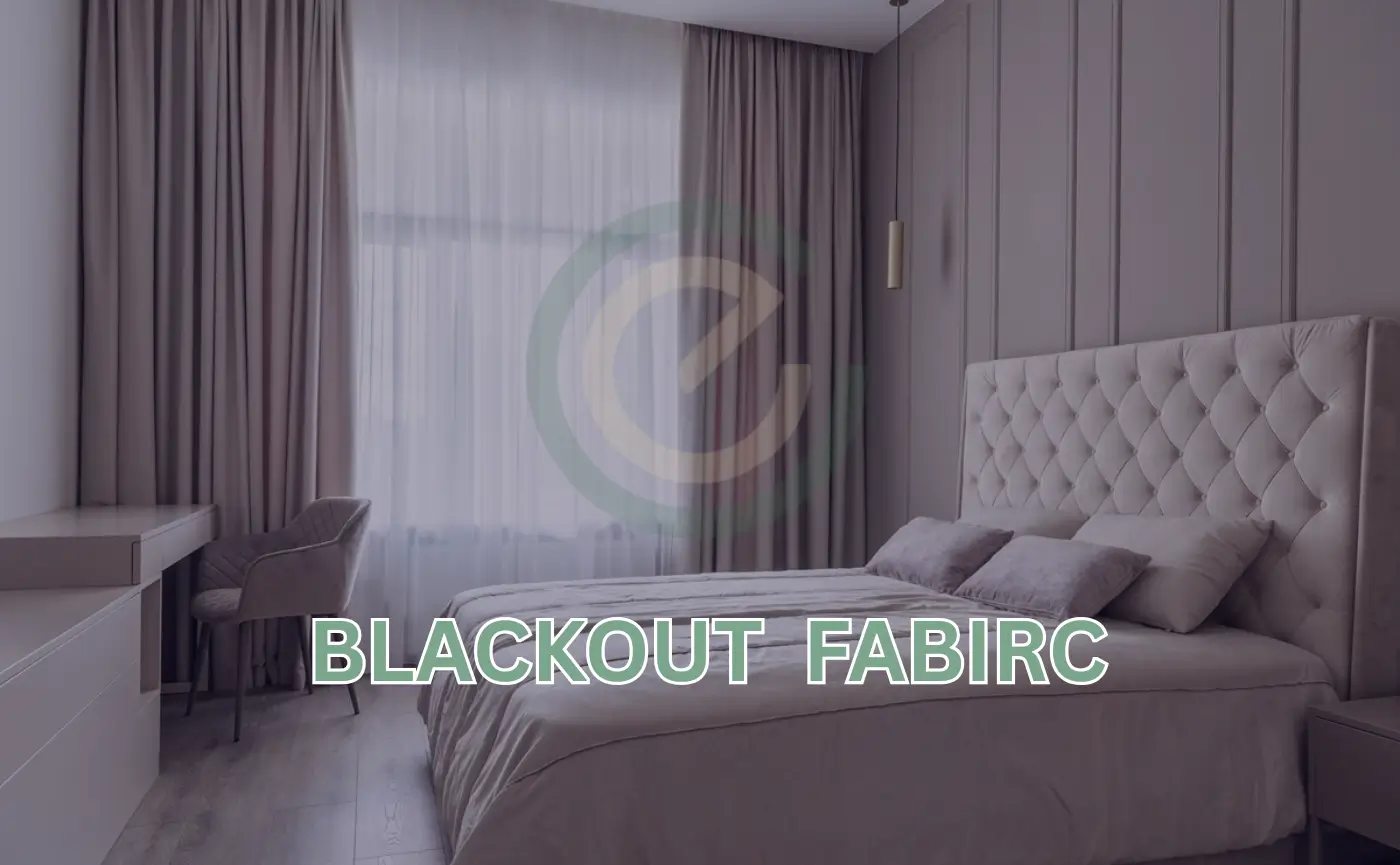
The most practical choice for Dubai bedrooms and west-facing rooms. Blackout curtains use a tightly woven, multi-layer fabric that blocks 95–100% of light and acts as an effective thermal barrier. They significantly reduce heat transfer through the window.
Best for: Bedrooms, home theatres, west and south-facing rooms.
Linen Fabric Curtains
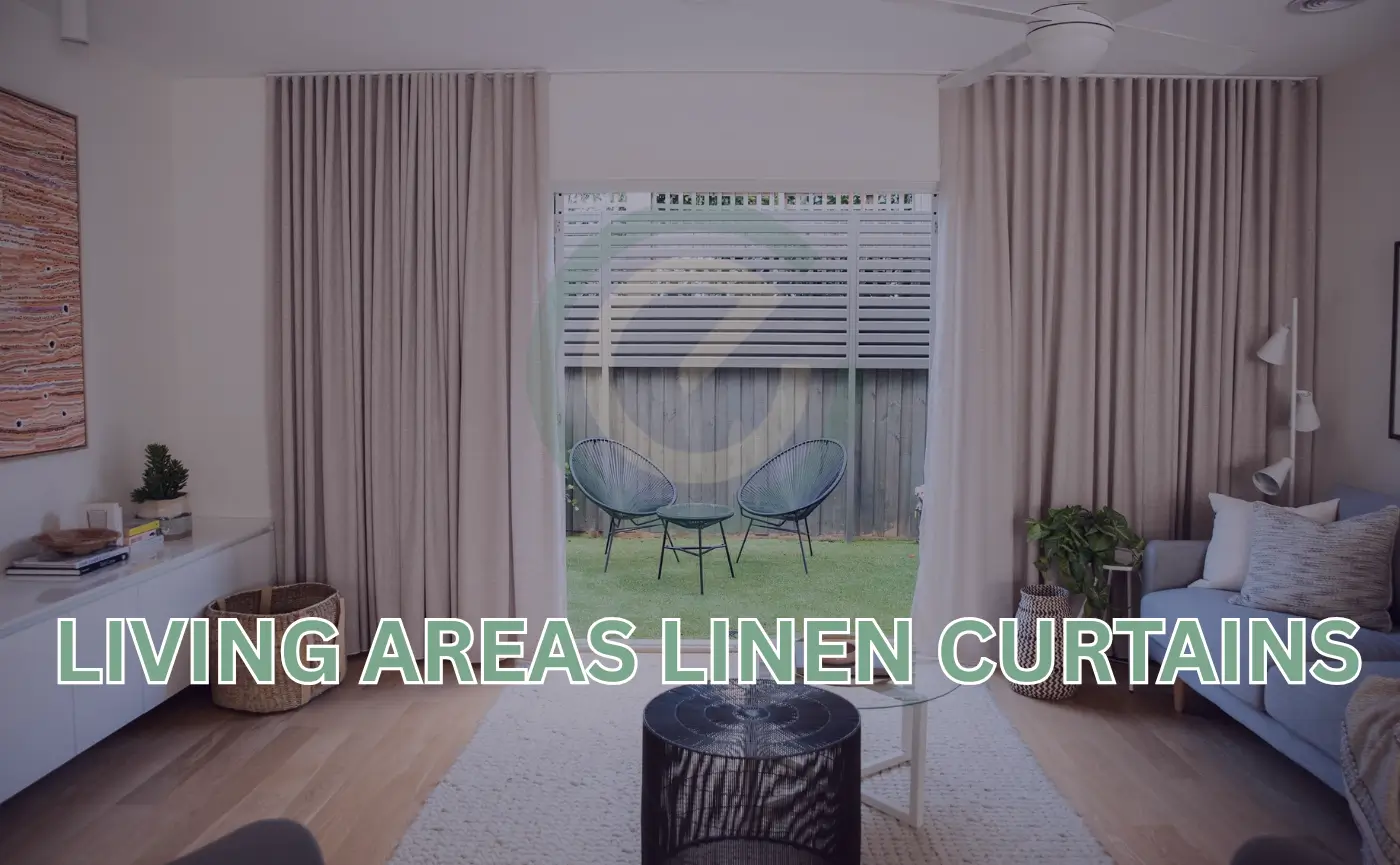
Linen is a natural fibre that breathes well and handles Dubai’s heat surprisingly effectively. It diffuses light softly rather than blocking it completely, and its open weave allows some air circulation. Unlined linen Curtains in Dubai is best for rooms where you want natural light with reduced glare — living rooms, dining rooms, and home offices.
Best for: Living areas, dining rooms, spaces where you want soft natural light.
Sheer Fabric Curtains
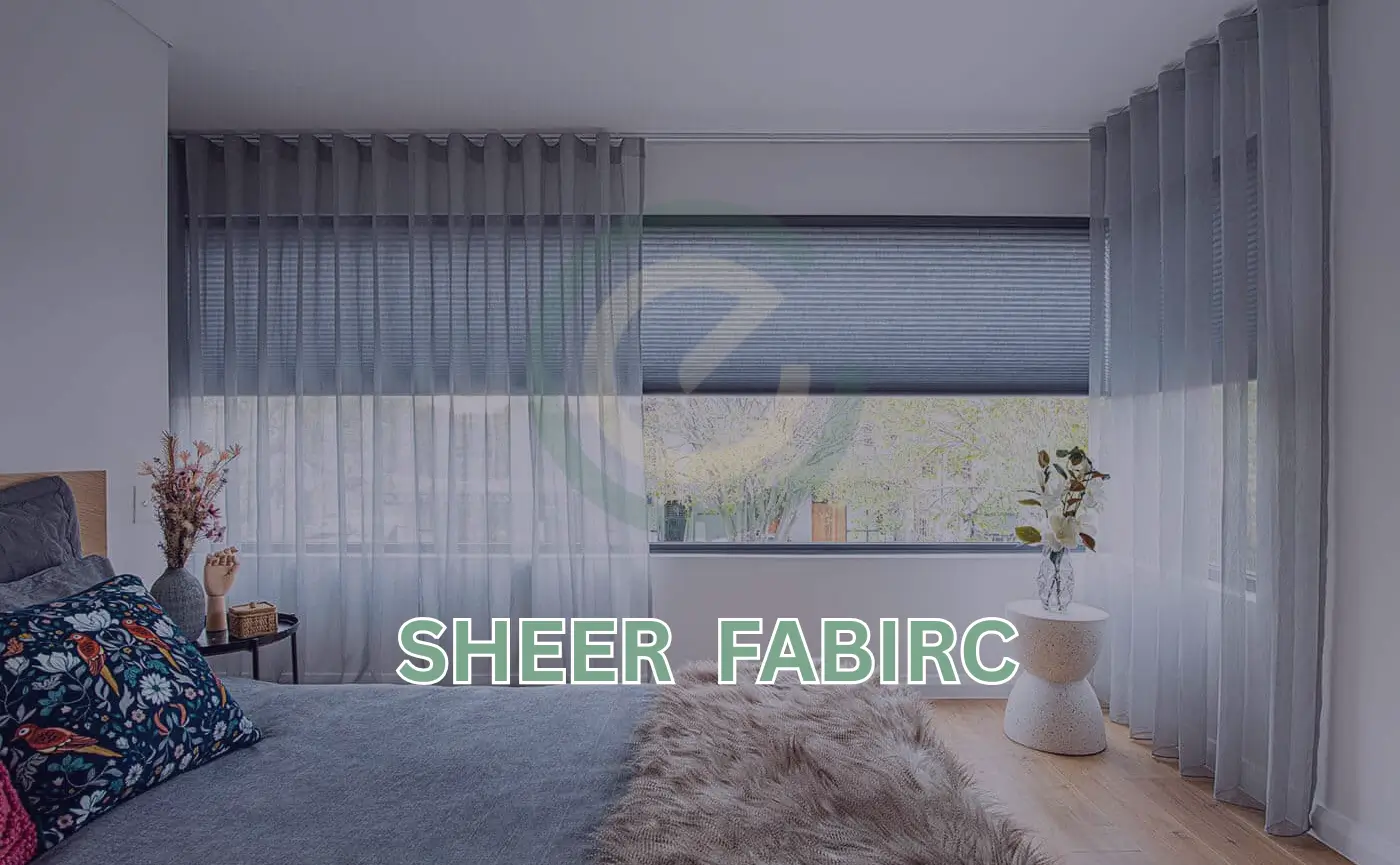
Sheer curtains filter light rather than blocking it. On their own, they offer minimal heat or UV protection. However, paired with a blackout layer as a double curtain setup, sheers provide privacy during the day while blackouts handle the heat and darkness at night. This combination is the most popular in Dubai apartments.
Best for: Layered setups, north-facing windows, spaces needing daytime privacy without darkness.
Velvet Fabric Curtains

Velvet is heavy, dense, and excellent for insulation. It blocks heat effectively and adds a luxurious feel. However, it absorbs dust more than other fabrics and requires more frequent cleaning — something to factor in given Dubai’s dusty environment. Best used in air-conditioned spaces where dust is controlled.
Best for: Formal living rooms, bedrooms, cooler months.
Polyester and Microfiber
These synthetic fabrics are the most common in Dubai due to their durability, easy cleaning, and resistance to fading. High-quality polyester can mimic the look of silk or linen while being far more practical. They do not breathe as well as natural fibres but are highly resistant to dust and humidity.
Best for: High-traffic rooms, children’s bedrooms, spaces needing low maintenance.
Step 3: Always Choose Lined Curtains for Dubai
If there is one non-negotiable recommendation for Dubai homes, it is this: always opt for lined curtains over unlined ones.
Lining adds a second layer of fabric behind the main curtain. This layer:
- Creates a thermal air pocket that acts as insulation against heat
- Protects the main fabric from UV degradation (unlined curtains fade within 12–18 months of direct sun exposure in Dubai)
- Gives the curtain more body and a better drape
- Extends the lifespan of the curtain significantly
For rooms facing west or south, consider interlining — a soft padding inserted between the main fabric and the lining — for maximum thermal protection.
Step 4: Consider Motorized Curtains for Consistent Heat Management
One reason many Dubai residents struggle with heat is inconsistency — curtains stay open during the hottest part of the day because no one is home to close them. Motorized curtains solve this completely.
A motorized system allows you to:
- Schedule curtains to close automatically during peak sun hours (typically 12pm–4pm)
- Control curtains from your phone while you are away
- Integrate with smart home systems like Google Home or Amazon Alexa
- Set different schedules for different rooms
The energy savings from keeping west-facing rooms shaded during the hottest hours can be substantial, and the convenience of automated curtains is a significant quality-of-life improvement in Dubai’s climate.
Step 5: Think About Dust Resistance
Dubai’s desert location means dust is a constant challenge. Fine sand particles settle on every surface, and curtains are no exception. When choosing fabric, keep the following in mind:
- Tightly woven fabrics collect less surface dust than loosely woven ones
- Smooth fabrics (polyester, microfibre) are easier to clean than textured fabrics (velvet, heavy linen)
- Curtains that pool on the floor look beautiful but collect significantly more dust than those that hang just above the floor
- Motorized curtains with precise track systems create less dust disturbance when opened and closed compared to manually pulled curtains
Quick Reference: Best Curtain by Room in Dubai
| Room | Best Choice | Why |
| Bedroom | Blackout, lined | Sleep quality, heat blocking |
| Living room (west/south) | Lined linen or velvet + sheer layer | Heat control with style |
| Living room (north) | Sheer or light-filtering | Bright, airy feel |
| Kitchen | Polyester or moisture-resistant | Easy cleaning |
| Home office | Light-filtering roller blind or sheer | Reduce glare without darkness |
| Children’s room | Blackout polyester | Nap times, easy cleaning |
Final Thoughts
Choosing curtains in Dubai is ultimately about balancing three things: heat control, light management, and style. Most rooms benefit from a layered approach — a blackout or thermal-lined curtain for when you need full protection, and a sheer or light-filtering layer for the rest of the time.
If you are unsure about the right choice for your specific windows, Emirates Curtains offers free home consultations and measurement services across Dubai. Our team will assess your window orientation, room usage, and interior style before recommending the right solution.
Emirates Curtains — Custom curtains and blinds in Dubai with free measuring, delivery, and expert installation. Call or WhatsApp: +971 55 472 2980